Assam Assembly Passes Polygamy Ban Bill: Up to 10 Years Jail, Disqualification from Government Jobs and Elections
Landmark legislation makes second marriage a criminal offence; convicted offenders barred from contesting local body polls and accessing state benefits
Guwahati, November 27, 2025 – The Assam Legislative Assembly on Thursday passed the stringent Assam Prohibition of Polygamy Bill, 2025, making polygamy a punishable criminal offence with imprisonment of up to 10 years. The landmark legislation also imposes severe civil penalties, including disqualification from government employment and electoral participation.
The bill introduces imprisonment of up to seven years for individuals entering polygamous marriages, and extends to 10 years for those who conceal the existence of a previous spouse. The legislation now awaits President Droupadi Murmu’s assent before becoming law.
Key Provisions of the Bill
Under the new law, convicted individuals will be barred from public employment funded or aided by the state government, cannot benefit from any state-funded schemes, and are prohibited from contesting elections for Panchayati Raj Institutions and Urban Local Bodies.
The bill defines polygamy as marrying another person while already having a legally subsisting marriage or a living spouse from whom one is not legally divorced. Repeat offenders will face double penalties for every subsequent offence.
Those who facilitate such marriages also face punishment. Village heads, Qazis, priests, parents, or legal guardians who dishonestly conceal information or participate in solemnizing polygamous marriages may be imprisoned for up to two years and fined up to Rs 1 lakh.
Women’s Protection and Compensation
The legislation provides compensation and legal protection for women affected by illegal marriages, with a state-appointed authority determining appropriate compensation amounts. Polygamy has been made a cognisable offence, enabling police to arrest without a warrant and begin investigations immediately.
Exemptions Under the Law
The law will not apply to the Bodoland Territorial Region, hill districts, or Scheduled Tribe communities governed under the Sixth Schedule, recognizing their customary practices and constitutional protections.
CM Defends Bill as Religion-Neutral
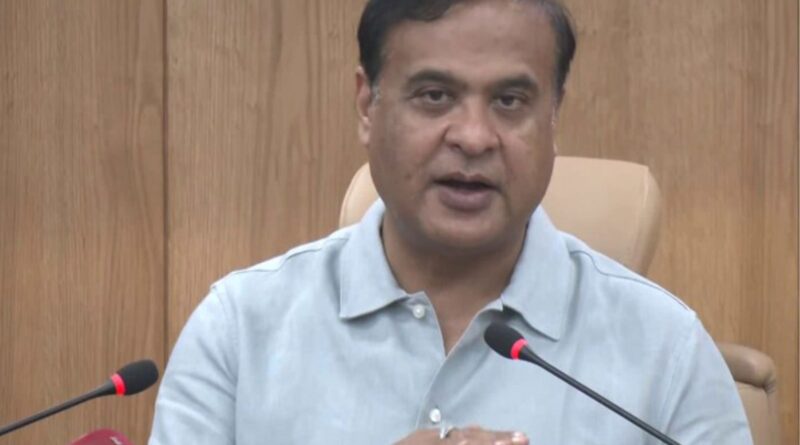
Chief Minister Himanta Biswa Sarma, who piloted the bill through the Assembly, defended the legislation as applicable across all religious communities. Sarma stated that “Islam can’t promote polygamy” and cited examples of Turkey banning polygamy and arbitration councils in Pakistan, asserting the bill is “not against Islam”.
“The Hindus are not free from polygamy either. This bill will cover people from Hindu, Muslim, Christian and all other societies,” Sarma emphasized during the Assembly session.
Opposition Resistance and UCC Promise
The bill faced opposition from the All India United Democratic Front (AIUDF) and CPI(M), with their proposed amendments being defeated by voice vote. CPI(M) MLA Manoranjan Talukdar had demanded the bill be sent to a Select Committee for detailed discussion.
Following passage of the bill, CM Sarma posted on social media that it represents “a strong stride towards justice for our NariShakti,” securing legal protection, strict penalties and real accountability.
Sarma also reiterated his commitment to introducing a Uniform Civil Code in Assam, promising to table it in the first session if he returns as Chief Minister after the 2026 Assembly elections. He further announced plans to introduce legislation against what he termed “love jihad” by February’s end.
Broader Context
The legislation aligns with Assam’s previous strong stance against child marriage and represents part of broader personal law reforms in the state. The government has framed the bill under the principle that “Her Rights Are Non-Negotiable,” emphasizing its commitment to gender justice and women’s empowerment.
The bill was introduced during the Winter Session amid political tension, with Congress, CPI(M), and Raijor Dal MLAs staging a walkout over an unrelated matter. Once the President grants assent, Assam will become one of the few Indian states with specific legislation prohibiting polygamy.
— NewsArc Bureau