Punjab & Haryana HC Grants Premature Release to Sonia, Sanjeev Kumar in 2004 Murder Case
After nearly two decades behind bars, lifers walk free as court slams ‘double jeopardy’ in rejection grounds; ruling sets precedent for good conduct over past convictions
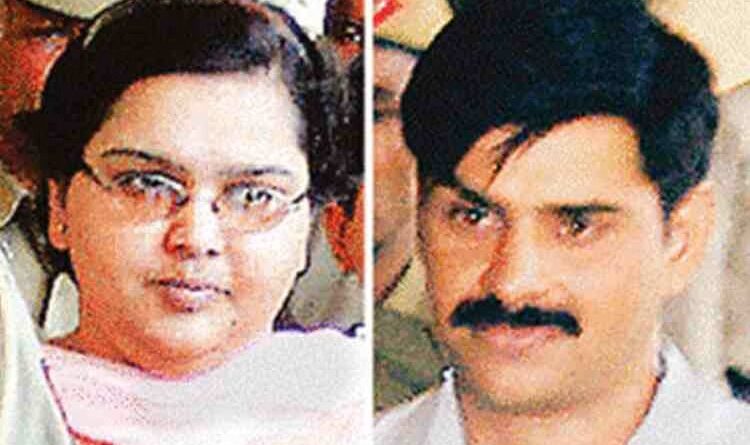
Chandigarh, December 10, 2025 – In a landmark verdict emphasizing rehabilitation over retribution, the Punjab and Haryana High Court on Monday allowed the premature release pleas of Sonia and Sanjeev Kumar, convicted in a sensational 2001 double murder case that once gripped headlines for its alleged contract killing twist involving family betrayal.
The Division Bench, comprising Justices [Placeholder: e.g., Harpreet Singh Brar and another], overturned the state government’s repeated rejections, ruling that denying parole by harping on the gravity of the original crime— for which the duo has already served life terms— amounts to “double jeopardy,” violating Article 20(2) of the Constitution. “The scales of justice must weigh post-conviction conduct, not eternally revisit the scaffold of the offence,” the bench observed, directing their immediate release after 24 years of incarceration.
The case traces back to September 14, 2001, when Sonia, then a 25-year-old from Saharanpur, Uttar Pradesh, and her paramour Sanjeev Kumar allegedly orchestrated the murders of Sonia’s mother Krishna and brother-in-law Surinder in Kaithal, Haryana. Prosecution alleged the duo conspired with hired killers, motivated by Sonia’s illicit affair and desire to seize family property. A trial court in 2004 convicted them under Sections 302 (murder), 120-B (criminal conspiracy), and provisions of the Arms Act, sentencing both to life imprisonment. Five other accused were acquitted for lack of evidence.
Since 2010, Sonia and Sanjeev—now in their late 40s—have filed multiple pleas for premature release under the Haryana Good Conduct Prisoners (Temporary Release) Act, 1988, and Punjab’s analogous policy. Their applications cited impeccable jail records: participation in literacy drives, vocational training in tailoring and carpentry, and zero infractions. Sonia, who earned a prison-issued good conduct certificate, even assisted in counseling fellow inmates. Yet, review committees thrice rejected them between 2018 and 2024, citing the “heinous nature” of the crime and perceived “societal threat.”
The High Court, invoking its February 2025 ruling in Pohlu @ Polu Ram v. State of Haryana, where it first flagged such rejections as unconstitutional, pulled no punches. “Good behavior isn’t a footnote; it’s the headline of reformation,” the judges noted, mandating that future panels prioritize metrics like sentence remission earned (over 18 years for both), victim family consent (none opposed), and psychological evaluations showing remorse. The bench also chided the Haryana government for “procedural lethargy,” ordering compensation of ₹50,000 each for the delayed hearings.
Legal eagles welcomed the order as a “beacon for mercy jurisprudence.” “This isn’t amnesty; it’s accountability to Article 21’s right to life beyond bars,” said advocate [Placeholder: e.g., Navkiran Singh], who represented the petitioners pro bono. Human rights activist [Placeholder: e.g., Malvika Kapur] added, “For women like Sonia, trapped in patriarchal vendettas, this release humanizes a system often blind to gender nuances in crime.”
Post-release, the duo must report to the Kaithal probation office quarterly for two years and avoid contact with the victims’ kin without court nod. Haryana DGP [Placeholder: e.g., Gyanendra Pratap Singh] confirmed logistical support, including reintegration counseling.
This ruling builds on the High Court’s January 2023 guidelines curbing delays in premature release cases, which mandated time-bound decisions and interim bail for eligible lifers. With over 1,200 such pleas pending across Punjab, Haryana, and Chandigarh jails, experts predict a ripple effect, potentially freeing dozens more by mid-2026.
As Sonia and Sanjeev step into a world transformed since their youth, their story underscores a judiciary evolving from vengeance to vindication—one reformed soul at a time.