Javed Akhtar Sparks Debate on Burqa, Calls Voluntary Wearing a Sign of Social Conditioning
Veteran lyricist questions need to cover face, says women claiming free choice may be influenced by peer pressure
NewsArc Report December 18, 2025
Renowned screenwriter and lyricist Javed Akhtar has stirred fresh controversy with his outspoken views on the burqa and face-veiling practices, asserting that women who choose to wear it voluntarily are often shaped by deep-rooted societal influences rather than genuine independence.
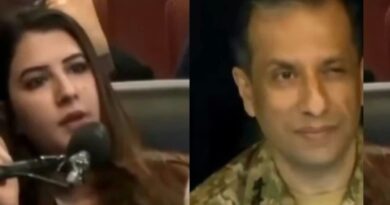
Speaking at the SOA Literary Festival 2025 in November, Akhtar responded to a question from a young attendee about his upbringing among women who did not wear burqas. When challenged on whether covering the face diminishes a woman’s strength, the 80-year-old poet countered sharply: “Why should you be ashamed of your face?”
He argued that the practice of concealing the face stems from cultural norms, asking rhetorically what could possibly be “vulgar, obscene, or undignified” about a woman’s face that requires it to be hidden. Akhtar emphasised that modesty in attire should apply equally to both genders, stating that revealing clothes lack dignity for men or women alike, but drew a clear distinction—decent dressing does not necessitate covering the face.
Dismissing the notion of pure personal choice, Akhtar described such decisions as “peer pressure,” adding that even when women insist they wear the burqa of their own accord, “she is brainwashed” due to expectations of approval from family and community.
A video clip of these remarks has gone viral on social media today, coinciding with widespread criticism of Bihar Chief Minister Nitish Kumar for pulling down a Muslim woman doctor’s hijab during a public event. Akhtar quickly clarified his stance on X (formerly Twitter), reiterating his longstanding opposition to the traditional concept of ‘parda’ while strongly condemning Kumar’s actions as unacceptable. He demanded an unconditional apology from the Chief Minister to the affected woman.
Akhtar’s comments have reignited broader discussions on women’s autonomy, religious traditions, and societal expectations in India, drawing mixed reactions online—some praising his candidness, others debating the boundaries between critique and personal freedom.