State Agencies Obstructing Central Probes a “Serious Issue”: Supreme Court in ED-Mamata Case
Top court flags growing trend of state interference in central investigations, warns of constitutional implications
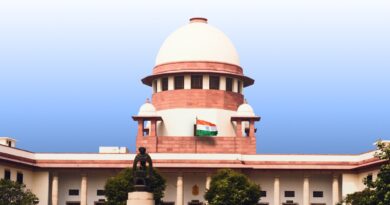
NEW DELHI — The Supreme Court of India has termed interference by state agencies in central investigations as a “serious issue,” delivering strong observations in a case involving the Enforcement Directorate (ED) and West Bengal Chief Minister Mamata Banerjee’s administration.
The apex court’s remarks came during proceedings examining allegations that state machinery had obstructed ED officials conducting investigations in West Bengal. The bench expressed concern over the constitutional implications of such interference, emphasizing that central agencies must be allowed to function without impediment when discharging their statutory duties.
Constitutional Federalism Under Strain
The court highlighted that while India’s federal structure respects state autonomy, it cannot be used as a shield to prevent legitimate central investigations. The judges observed that cooperation between state and central agencies is essential for the rule of law and constitutional governance.
“When central agencies are performing their lawful functions, state governments cannot create obstacles or use their machinery to thwart these investigations,” the court reportedly stated, underscoring the separation of powers and the need for institutional respect.
Background of the Dispute
The case stems from incidents where ED officials allegedly faced resistance from West Bengal state police and administration while conducting raids and investigations into financial irregularities. The central agency had approached the Supreme Court seeking directions to ensure unobstructed functioning in the state.
Chief Minister Mamata Banerjee’s government has previously criticized what it calls “misuse” of central agencies for political vendetta, a charge that the Centre has denied. The state has maintained that it respects constitutional provisions but questioned the timing and motives behind certain investigations.
Legal and Political Ramifications
Legal experts suggest the Supreme Court’s observations could set important precedents for center-state relations, particularly in cases where opposition parties govern states while a different party holds power at the Centre.
The court’s emphasis on non-interference is expected to strengthen the operational independence of central investigating agencies, though questions about checks and balances in their functioning remain part of ongoing political discourse.
What’s Next
The Supreme Court is expected to issue detailed guidelines on the protocol for cooperation between state and central agencies during investigations. The matter has been listed for further hearing, with both sides likely to present additional arguments on the extent of state obligations versus central authority.
The case continues to draw attention as it touches upon fundamental questions of federalism, accountability, and the balance of power in India’s constitutional framework.