Trump Steps Back from Iran Brink as Netanyahu Urges Restraint, US Warns ‘All Options Remain on Table’
President postpones military strikes after executions halted, but White House maintains maximum pressure on Tehran as protests rock Islamic Republic
WASHINGTON/TEHRAN, January 16, 2026 — President Donald Trump has delayed a decision on striking Iran following urgent appeals from Israeli Prime Minister Benjamin Netanyahu and key Arab allies, even as the White House insists military options remain firmly in play amid one of the most serious crises between Washington and Tehran in decades.
Netanyahu asked Trump to postpone potential plans for an American strike on Iran, according to reports emerging Thursday, requesting additional time for Israel to prepare for possible Iranian retaliation. The Israeli leader’s intervention came as Trump appeared on the verge of authorizing punitive strikes against the Islamic Republic over its brutal crackdown on protesters.
The dramatic developments followed days of escalating tensions that saw Trump emerge from a late-night Situation Room meeting Tuesday relatively sure a decision on military action was close at hand. The president had been deeply troubled after viewing videos of past executions and being briefed on Iran’s planned execution of 26-year-old protester Erfan Soltani.
However, by Wednesday, Trump appeared to pull back from the brink. “They told me that there’ll be no executions, and so I hope that’s true,” the president told reporters, adding on social media: “This is good news. Hopefully, it will continue!”
White House Press Secretary Karoline Leavitt maintained Thursday that “the president and his team are closely monitoring the situation and all options remain on the table”, warning that if the killing continues, there will be consequences. She claimed Iran had called off 800 executions following Trump’s warnings, though Tehran has not publicized plans for such mass executions.
The pause in military planning has exposed deep divisions within the Trump administration and among allies about whether strikes would meaningfully destabilize Iran’s regime or simply invite devastating retaliation across the Middle East. An Israeli source indicated the current US strike plan targets security force facilities but is not seen as strong enough to meaningfully destabilize the regime.
Senior officials from Qatar, Saudi Arabia, Oman and Egypt mounted a coordinated diplomatic effort to dissuade Trump from launching strikes, warning that such action could trigger a wider regional conflict. Gulf Arab officials told the administration they had “convinced Trump to give Iran a chance,” according to reports.
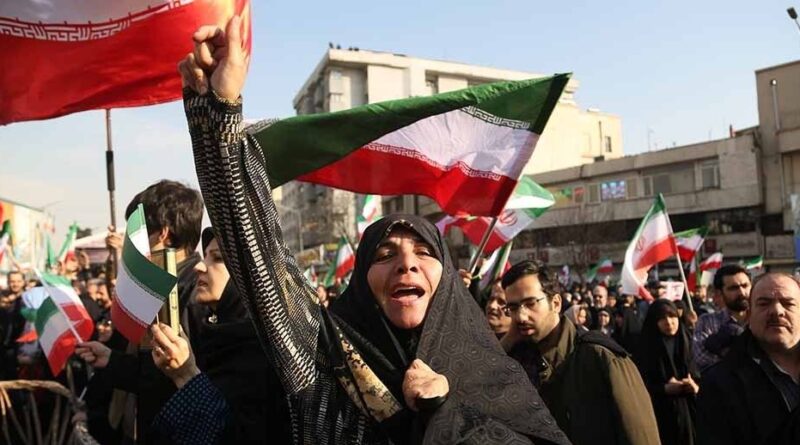
The crisis stems from weeks of anti-government protests in Iran that began in late December 2025 over deteriorating economic conditions but have evolved into a broader challenge to the clerical leadership. Casualty figures remain sharply contested, though several thousand protesters are believed to have been killed by regime security forces, which have restricted internet and telephone access amid their brutal response.
Trump has repeatedly promised Iranian demonstrators that “HELP IS ON ITS WAY,” urging them to take over government institutions. On Tuesday, he cancelled all scheduled meetings with Iranian officials, signaling negotiations had failed.
Behind the scenes, the US military has been taking precautionary measures, evacuating non-essential personnel from Al Udeid Air Base in Qatar and deploying the USS Abraham Lincoln carrier strike group to the region. The Defense Department could send fighter planes from bases in UAE, Saudi Arabia, Jordan and Qatar or launch Tomahawk missiles from destroyers in the area.
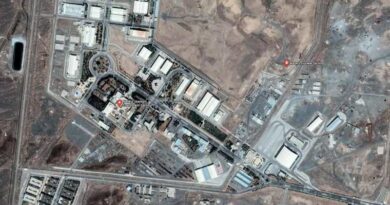
Iranian Foreign Minister Abbas Araghchi issued a stark warning to Washington, telling Fox News: “Do not repeat the same mistake you did in June,” referencing US strikes on Iran’s nuclear facilities last summer. Tehran has threatened to retaliate against Israel and American bases across the Gulf if attacked.
US Treasury Secretary Scott Bessent announced new sanctions Thursday targeting 18 Iranian individuals and entities allegedly responsible for the crackdown and oil sanctions evasion. “President Trump stands with the people of Iran,” Bessent declared, adding that the wealthy elite are “abandoning ship” as tens of millions of dollars are smuggled out of the country.
At the United Nations Security Council Thursday, US officials faced off with Iranian representatives, with American envoy Mike Waltz renewing Trump’s threats against the Islamic Republic despite the president’s apparent de-escalation.
Israel has held daily consultations with Washington throughout the crisis. Israeli officials believe the protests are being suppressed and have declined dramatically, with a dispute emerging within Israel’s top leadership regarding the appropriate approach toward Iran.
The current pause is being viewed as an opening for diplomacy, with one US official suggesting the Iranian regime would collapse unless Supreme Leader Ali Khamenei agreed to speak directly with Trump. However, multiple sources emphasized that “everyone knows the president keeps his finger over the button” and that Trump maintains the ability to act at any moment.
“The truth is only President Trump knows what he’s going to do, and a very, very small team of advisors are read in to his thinking on that,” Leavitt said during Thursday’s press briefing.
As Tehran shows signs of returning to normalcy on the surface, many Iranians remain braced for possible US intervention. Iran’s Defense Minister warned Thursday that the government may not be able to prevent instability from spreading beyond its borders, raising alarm among neighboring countries.
The standoff represents one of the most perilous moments in US-Iran relations since the 1979 revolution, with the region holding its breath as Trump weighs whether diplomacy or military force will ultimately prevail.