Supreme Court Declines Plea for SC/ST Reservation in Bar Council Elections
Apex Court holds that quota for Scheduled Caste and Scheduled Tribe advocates in State Bar Councils and Bar Council of India requires statutory amendment, cannot be directed via mandamus
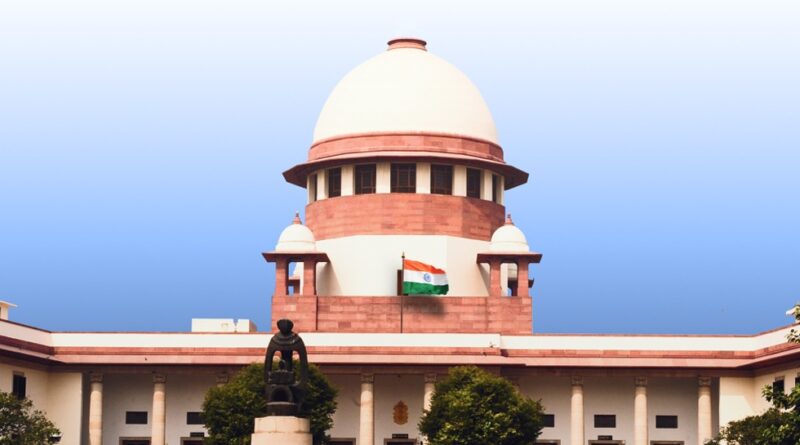
In a significant ruling on January 22, 2026, the Supreme Court declined to issue directions for providing reservation to advocates from Scheduled Castes (SC) and Scheduled Tribes (ST) in the elections to State Bar Councils and the Bar Council of India. A bench comprising Chief Justice Surya Kant, Justice Joymalya Bagchi, and Justice Vipul Pancholi observed that such reservation can only be introduced through an amendment to the relevant statute, as there is no existing provision in the Advocates Act for caste-based quotas in Bar Council elections.
The plea, reportedly from a group including the Universal Dr Ambedkar Advocates Association, sought parity similar to recent measures for women’s representation in Bar bodies. However, the Court noted that while women’s representation has been facilitated through consensus and Bar Council of India (BCI) support, no similar statutory mechanism exists for SC/ST advocates. It emphasized that without an express legislative provision, a mandamus (court directive) cannot be issued to enforce such reservation.
The Court also highlighted submissions from the Bar Council of India and State Bar Council of Telangana indicating the issue is under active consideration, but declined to intervene judicially at this stage.
This decision underscores the judiciary’s stance that structural changes to Bar Council composition on caste lines require parliamentary or legislative action rather than court-mandated quotas.