DEAL OR WAR: THE WORLD HOLDS ITS BREATH OVER IRAN
As a fragile ceasefire hangs by a thread and a Lebanon truce takes hold, Trump signals he may fly to Islamabad to seal a historic nuclear deal — with Pakistan emerging as the unlikely peacemaker of 2026
WASHINGTON / ISLAMABAD / BEIRUT — April 17, 2026
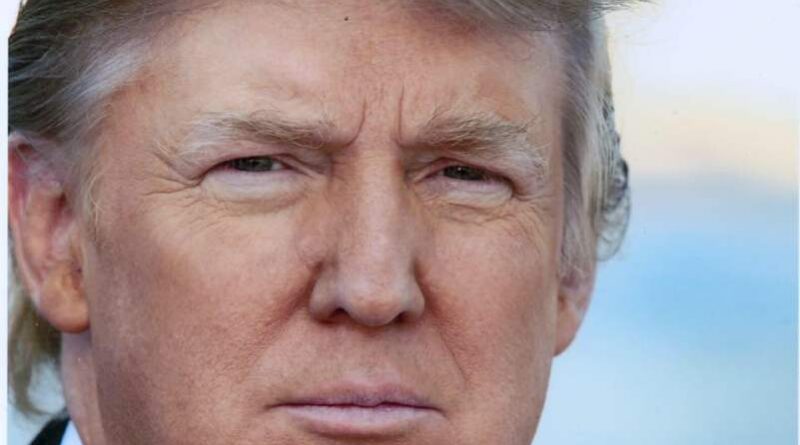
In a dramatic twist to one of the most consequential conflicts of the decade, US President Donald Trump has floated the possibility of a personal visit to Pakistan to sign a nuclear deal with Iran — a move that would cement Islamabad’s extraordinary rise as the diplomatic capital of a world on edge.
Speaking to reporters at the White House before departing for Nevada and Arizona, Trump announced the possibility of an official visit to Pakistan if a final agreement is successfully reached and signed with Iran regarding its nuclear file in Islamabad, indicating that current talks with Iran are showing significant progress.
It was a remarkable statement from a president who, just weeks ago, wrote that there would be “no deal with Iran except its unconditional surrender.”
THE STATE OF THE WAR
The conflict began on 28 February 2026, when Israel and the United States launched an air war against Iran, killing its Supreme Leader and many other senior officials. Iran responded with missile and drone strikes against Israel, US bases, and US-allied countries in the Middle East, and closed the Strait of Hormuz, disrupting global trade.
Now, nearly seven weeks on, the war’s trajectory is shifting. Trump told Fox Business that he sees the war as “very close to over.” But the ground reality remains volatile. Iran-backed Shiite militias have conducted “hundreds” of attacks on US forces since the war began, according to Lt. Gen. James Adams, head of the Defense Intelligence Agency, who also said the US and Israeli bombing campaign has caused “significant degradation of Iranian military capabilities.”
Despite those strikes, roughly half of Iran’s missile launchers remain intact, and Tehran retains thousands of one-way attack drones and a large number of missiles, according to CNN reporting on recent US intelligence assessments.
PAKISTAN: THE PEACEMAKER
The world’s eyes have turned to Islamabad, a city not typically associated with great-power diplomacy. The White House confirmed that a second round of US-Iran talks would “very likely” be held in Islamabad — “the same place as they were last time” — and that Pakistan is “the only mediator in this negotiation.”
The first Islamabad Talks, held on 11 and 12 April, saw a 300-member US negotiating team led by Vice President JD Vance alongside special envoys Steve Witkoff and Jared Kushner, face a 70-member Iranian team led by parliamentary speaker Mohammad Bagher Ghalibaf and Foreign Minister Abbas Araghchi. The marathon 21-hour session ended without a deal.
The main sticking points remain Iran’s nuclear programme and control over the Strait of Hormuz. Following the collapse of talks, Trump imposed a naval blockade on Iran on 13 April, interdicting ships entering or departing Iranian ports.
Since then, Pakistan has redoubled its efforts. Pakistani Field Marshal Asim Munir, the key interlocutor between the US and Iran, arrived in Tehran on Wednesday for meetings with Iranian diplomats, with Iranian Foreign Minister Abbas Araghchi saying Tehran remains committed to promoting peace and stability in the region.
LEBANON CEASEFIRE: A RAY OF HOPE
In a parallel development that diplomats hope could ease the path to a broader deal, Israel and Lebanon agreed to a 10-day ceasefire, which began on Thursday. Israeli Prime Minister Benjamin Netanyahu said he agreed to the truce “to advance” peace efforts, while Israel said it would keep troops in southern Lebanon.
Vice President Vance played a key role in brokering the Lebanon ceasefire, having “pushed the Israelis for days to be more careful in Lebanon,” according to a senior administration official. Trump, Vance, and Secretary of State Marco Rubio then spoke with the president of Lebanon to confirm the agreement before reaching out to the Israelis.
THE ECONOMIC FALLOUT
The war’s economic toll continues to mount. Iran’s National Petrochemical Company has suspended exports of petrochemical products “until further notice” to prioritize domestic supply disrupted by US-Israeli strikes. The Strait of Hormuz, a critical artery for global oil flows, remains choked. Defense Secretary Pete Hegseth said the US naval blockade of Iranian ports will last “for as long as it takes,” and that the military is prepared to continue attacks in Iran if a long-term ceasefire deal is not reached soon.
WHAT COMES NEXT
Trump suggested that Iran has agreed to “almost everything” within the proposed agreement terms, and noted that reaching a comprehensive deal might eliminate the need to extend the current ceasefire — though he said the extension option remains on the table as a precautionary measure.
Pakistan’s Prime Minister Shehbaz Sharif has been visiting Saudi Arabia, Qatar and Turkey to build regional support for a new round of talks, with Saudi Crown Prince Mohammed bin Salman praising the constructive role played by Sharif and Field Marshal Munir in the peace process.
Whether Trump ultimately boards a plane to Islamabad — or whether bombs resume falling over Tehran — may be determined in the next 72 hours. The world is watching.