Allahabad Bar Association Challenges SC Collegium’s Ad-Hoc Judge Selections, Questions Merit and Process
Legal fraternity raises concerns over constitutional propriety and performance records of five retired judges recommended for temporary appointments
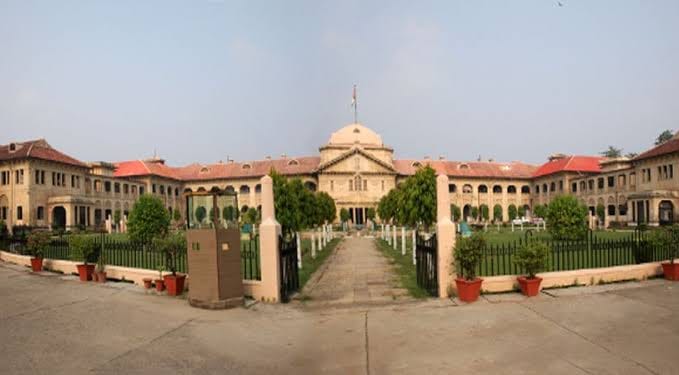
ALLAHABAD – The High Court Bar Association (HCBA) of Allahabad has formally challenged the Supreme Court Collegium’s recent recommendation to appoint five retired High Court judges on an ad-hoc basis, submitting representations to the President of India, the Chief Justice of India, and the Union Law Minister.
In a strongly-worded letter dated February 5, 2026, the Association questioned both the constitutional validity and the merit-based selection of the proposed appointees, describing the Collegium’s decision as lacking transparency and proper evaluation.
Constitutional Concerns Raised
The HCBA contends that the Supreme Court Collegium overstepped its jurisdiction by invoking Article 224-A of the Constitution, which the Association argues places the authority for ad-hoc appointments squarely with the Chief Justice of the High Court, subject to presidential approval.
The representation characterizes the Collegium’s intervention as inexplicable, stating it has caused significant concern within the legal community across the state.
Performance Data Questioned
Challenging the credentials of the recommended judges, the HCBA presented judicial output statistics that they argue demonstrate inadequate performance during the nominees’ previous tenures.
According to figures cited in the letter, the disposal rates of at least four of the five proposed appointees raise questions about their effectiveness in addressing case backlogs. The Association referenced specific judgment counts: Justice Mohd. Aslam with 46 judgments between 2021-2023, Justice Renu Agarwal with 73 between 2022-2024, Justice Jyotsana Sharma with 93 between 2022-2025, and Justice Syed Aftab Hussain Rizvi with 151 between 2021-2025.
The HCBA asserted that more recently retired judges have demonstrated superior case disposal records and would be better suited for addressing the High Court’s pending caseload.
Selection Process Under Scrutiny
The Association criticized what it termed an arbitrary selection process, stating the five names appear to have been chosen without systematic evaluation from the available pool of retired judicial officers.
“The names fail to inspire confidence in the ability of the recommended persons to clear pendency of cases,” the letter stated, adding that no transparent criteria were applied in making the selections.
Alternative Approach Advocated
Rather than appointing retired judges through Article 224-A, the HCBA advocates for filling vacancies through regular appointments from among qualified advocates and judicial officers.
The representation argues that temporary appointments of judges who have already completed their service denies opportunities to deserving members of the legal fraternity for permanent constitutional positions.
“Appointing five judges from the pool of retired judges to fill up vacancies merely deprives eligible persons of the legal fraternity from being appointed to a sensitive constitutional post while the post is filled up by a retired High Court judge whose innings in the system is already complete,” the letter emphasized.
Official Response Awaited
The communication, signed by HCBA President Rakesh Pande and Honorary Secretary Akhilesh Kumar Sharma, seeks reconsideration of the Collegium’s recommendation.
As of now, neither the Supreme Court Collegium nor the offices of the President or Chief Justice of India have issued public responses to the Association’s concerns.
The development highlights ongoing tensions between the judiciary’s collegium system and the Bar regarding judicial appointments, particularly concerning transparency and merit-based selection criteria.