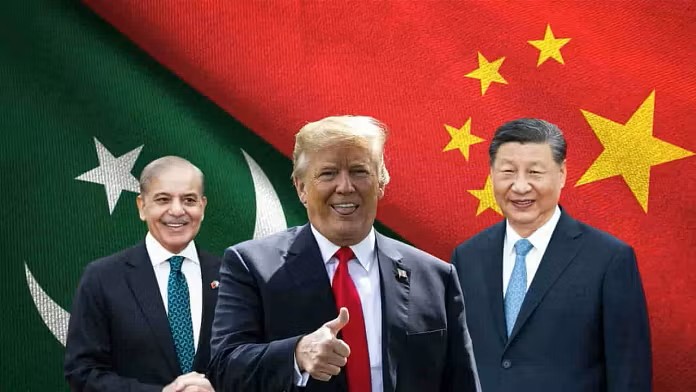
China’s Dual Strategy: Diplomatic Outreach to India While Arming Pakistan, US Warns
Beijing pursues contradictory approach with simultaneous peace gestures toward New Delhi and military expansion in Pakistan and Bangladesh, raising regional security concerns
NEW DELHI/WASHINGTON – The United States has issued a stark warning to India regarding China’s duplicitous regional strategy, which involves extending olive branches to New Delhi while simultaneously strengthening military ties with Pakistan and expanding its naval and air force presence across South Asia.
The Double Game
According to senior US defense officials, China’s People’s Liberation Army (PLA) has been quietly advancing a comprehensive military infrastructure strategy in the Indian Ocean Region, even as Chinese diplomats work to normalize relations with India following the prolonged border standoff in Ladakh.
“China is playing a calculated game,” said a senior US State Department official speaking on condition of anonymity. “On one hand, they’re engaging in diplomatic dialogue with India to de-escalate border tensions. On the other, they’re systematically enhancing Pakistan’s military capabilities and establishing strategic footholds in Bangladesh.”
Pakistan: The Primary Beneficiary
Intelligence assessments reveal that China has significantly ramped up arms transfers to Pakistan over the past 18 months, including:
- Advanced J-10C fighter aircraft
- Type 054A/P frigates for the Pakistan Navy
- HQ-9 surface-to-air missile systems
- Armed drones and reconnaissance UAVs
- Submarine technology and assistance with nuclear-capable vessels
The military cooperation extends beyond hardware. Chinese military advisors have been embedded within Pakistan’s defense establishment, and joint exercises between the PLA Navy and Pakistan Navy have increased in frequency and complexity.
China’s dual approach serves multiple strategic objectives. The diplomatic engagement with India helps manage immediate border tensions and projects an image of regional responsibility. Meanwhile, the military buildup in Pakistan and Bangladesh creates long-term strategic leverage.
“This is classic strategic hedging,” noted retired Indian Navy Vice Admiral Rajan Kumar. “China maintains the option of cooperation with India while simultaneously ensuring it has multiple pressure points should relations deteriorate.”
Air Force Expansion
The PLA Air Force has also been expanding its reach. Recent satellite imagery analyzed by defense experts shows:
- Upgraded airfields in Tibet and Xinjiang near the Indian border
- Advanced fighter deployments including J-20 stealth aircraft
- Enhanced logistical infrastructure for sustained operations
- Increased joint training exercises with Pakistan Air Force
India’s Response
The Indian government has maintained a cautious stance, continuing border talks with China while bolstering its own defense capabilities. New Delhi has accelerated military modernization programs and strengthened defense partnerships with the United States, Japan, and Australia through the Quad framework.
“India is well aware of China’s two-track approach,” said a senior official from India’s National Security Council. “We engage where engagement is possible, but we’re not naive about the strategic competition.”
US Concerns
Washington’s warning reflects broader American concerns about Chinese military expansion in the Indo-Pacific. The US has been urging India to maintain vigilance and has offered enhanced defense cooperation, including technology transfers and intelligence sharing.
“The United States stands with India in ensuring a free and open Indo-Pacific,” stated a Pentagon spokesperson. “We’re committed to helping our partners recognize and respond to coercive behavior masked by diplomatic engagement.”
Regional Implications
China’s strategy has implications beyond bilateral relations. Smaller South Asian nations find themselves increasingly caught between major power competition, forced to balance economic benefits from Chinese investment against strategic concerns about sovereignty and regional stability.
Nepal, Sri Lanka, and the Maldives have all experienced varying degrees of Chinese infrastructure investment coupled with strategic positioning, creating a complex web of dependencies and obligations.
#ChinaIndiaRelations #PakistanChina #GeopoliticalStrategy #IndoPacific #PLAStrategy #RegionalSecurity #USIndiaPartnership #DefenseCooperation #SouthAsiaStrategy #MilitaryBalance #ChinaPakistanAxis #BangladeshChina #StrategicCompetition #NavalExpansion #QuadAlliance