Delhi High Court Keeps Akshay Kumar, Theater Chains in Bata Defamation Suit Over ‘Jolly LLB 2’ Trailer
In a setback for defendants, the court rules that allegations of conspiracy and willful dissemination warrant their continued involvement in the long-running 2017 case seeking damages for brand tarnishing.
New Delhi, December 27, 2025 – The Delhi High Court has rejected pleas by actor Akshay Kumar and two prominent theater chains to be removed from a defamation lawsuit filed by Bata India Limited, stemming from a controversial monologue in the 2017 film Jolly LLB 2. The order, passed by Joint Registrar (Judicial) Dr. Ajay Gulati on December 19, 2025, emphasizes triable issues of conspiracy, production involvement, and deliberate dissemination of allegedly defamatory content.
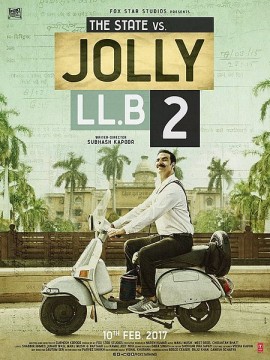
The suit, filed in 2017, revolves around a trailer scene where actor Annu Kapoor’s character taunts the protagonist—played by Kumar—as wearing “cheap footwear” from Bata, implying the brand’s association with low social status and humble backgrounds. The Hindi dialogue explicitly named “Bata,” with English subtitles translating it as “cheap footwear.” Bata argued this portrayal damaged its reputation, potentially deterring consumers from purchasing its products due to fears of social ridicule.
Following a legal notice from Bata, the defendants obtained a permanent injunction before the film’s release, replacing “Bata” with “phata” (meaning torn) in the final version. However, Bata pursued damages, claiming the trailer’s widespread viewership—estimated in lakhs—caused irreversible harm.
Kumar, arrayed as Defendant No. 5, sought deletion on grounds that he neither spoke the monologue nor was involved in the film’s production, screenplay, or creative direction. He contended the screenplay was finalized before his signing and that his character’s slap in response was to insults about family lineage, not the footwear reference. Kumar also denied producing footwear under his ‘Khiladi’ trademark and dismissed conspiracy allegations tied to his endorsement of rival brand Relaxo/Sparx.
The court, however, found merit in Bata’s claims. It noted Kumar’s admission in a TV interview (Aap Ki Adalat) of producing 90% of his films, a profit-sharing deal for Jolly LLB 2 reported in newspapers, and his tweeting of the trailer as potential indicators of involvement. “The allegation of conspiracy gains traction,” the order stated, highlighting the deliberate use of Bata’s name when Kumar’s character wasn’t even wearing Bata shoes in the scene. Citing the 2024 judgment in Arvind Kejriwal vs. State, the court ruled that retweeting defamatory content constitutes an independent tort, making Kumar liable to answer for damages.
Defendants No. 6 and 7—identified as theater exhibitors (likely multiplex chains, though not named explicitly in the order)—argued they were mere distributors relying on Central Board of Film Certification (CBFC) approval, which they claimed absolved them of judging content. They highlighted exhibition agreements obligating them to run the trailer and denied receiving direct notices to cease. One defendant also alleged Bata impleaded them mala fide to invoke Delhi’s jurisdiction, as the trailer played nationwide without other theaters being sued.
Rejecting these pleas, the court held that CBFC certification is not an “impenetrable defense” and must be tested at trial. It criticized the lack of redacted agreements or communications post-notice, noting the substantial period of continued exhibition allowed millions to view the content. “Applicant’s willful exhibition… despite clear notice… makes it liable,” the order observed, dismissing jurisdictional mala fide as a matter for a separate plaint return application.
The court deemed all three defendants necessary for fair adjudication, disposing of IAs 5045/2017, 11595/2017, and 6540/2017. It also closed Defendant No. 6’s right to file a written statement due to delay and scheduled admission/denial of documents for April 2, 2026.
Bata’s counsel argued the trailer’s intent was to portray the brand as “cheap,” impacting sales, while defendants relied on precedents like Kasturi vs. Iyyamperumal to argue unnecessary impleadment. The case, now over eight years old, underscores tensions between creative expression and brand protection in Bollywood.
Neither Bata nor the defendants responded to requests for comment. The order sets the stage for a full trial, potentially influencing how films handle product placements and social media promotions.