Dilip Kumar Urged Pakistan PM to End Kargil War: ‘Indian Muslims Find it Difficult to Leave Their Homes’
ccording to former Pakistani Foreign Minister Khurshid Mahmud Kasuri’s book ‘Neither a Hawk nor a Dove: An Insider’s Account of Pakistan’s Foreign Policy’, the thespian played an unexpected diplomatic role during the height of the Kargil War.
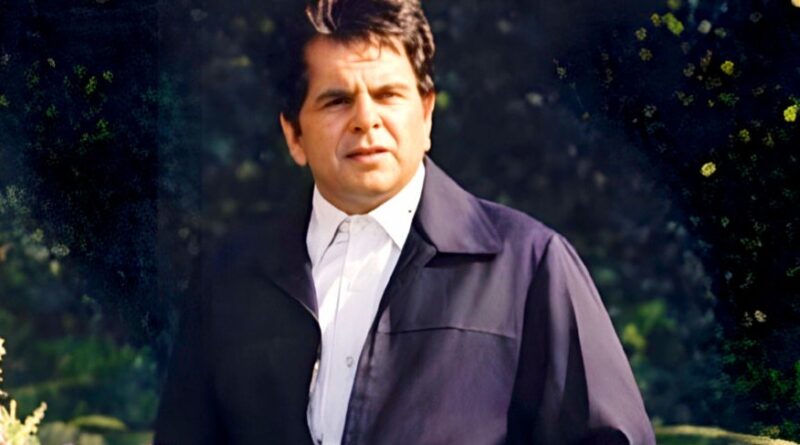
New Delhi: In a startling revelation that sheds new light on India-Pakistan diplomacy during the 1999 Kargil conflict, legendary Bollywood actor Dilip Kumar reportedly intervened in a crucial telephonic conversation between the prime ministers of both nations to help defuse the crisis.
According to former Pakistani Foreign Minister Khurshid Mahmud Kasuri’s book ‘Neither a Hawk nor a Dove: An Insider’s Account of Pakistan’s Foreign Policy’, the thespian played an unexpected diplomatic role during the height of the Kargil War.
The dramatic moment unfolded in July 1999 when then Indian Prime Minister Atal Bihari Vajpayee called his Pakistani counterpart Nawaz Sharif to express his anguish over the Kargil intrusion. Vajpayee reportedly complained that while he had been warmly received during his historic Lahore bus visit in February 1999, Pakistan had wasted no time in occupying Indian territory at Kargil heights.
Before the conversation could end, Kasuri writes, Vajpayee told Sharif that he wanted him to speak with someone sitting next to him. Sharif was astonished to hear the voice of Dilip Kumar, born Yousuf Khan in Peshawar and a recipient of Pakistan’s highest civilian honour Nishan-e-Imtiaz.
“Mian Sahib, we did not expect this from you since you have always claimed to be a great supporter of peace between Pakistan and India,” Kumar reportedly told Sharif, according to an account shared with Kasuri by Saeed Mehdi, the then Principal Secretary to the Pakistani PM.
The Muslim Voice
Kumar, speaking as an Indian Muslim, made an emotional appeal highlighting the domestic ramifications of India-Pakistan tensions. “Let me tell you as an Indian Muslim that in case of tension between Pakistan and India, Indian Muslims become very insecure and they find it difficult to even leave their homes. Please do something to control this situation,” the actor urged.
Kasuri observes in his book that if even an icon like Dilip Kumar felt insecure during periods of India-Pakistan tension, it would not be difficult to imagine the difficulties faced by ordinary Muslims during such times.
The Peshawar-born actor, who migrated to India before Partition and became one of Bollywood’s most celebrated performers, had long been admired in Pakistan. His ancestral home in Peshawar’s Qissa Khawani Bazaar has been declared a protected monument by Pakistani authorities.
A Unique Diplomatic Channel
The incident represents one of the many unconventional diplomatic tracks that India and Pakistan have employed to communicate during crises. Kumar’s personal connection to both nations and his stature in Pakistani society made him a unique intermediary.
However, the anecdote has also raised questions about security protocols, with some observers wondering about the appropriateness of a film actor being privy to sensitive conversations between heads of state.
The Kargil War, which lasted from May to July 1999, saw Pakistani forces and militants infiltrate positions on the Indian side of the Line of Control. India launched Operation Vijay to recapture these positions, eventually forcing Pakistani withdrawal under international pressure, particularly from the United States.
According to official figures, India lost over 500 soldiers during the conflict, while Pakistani casualties remain disputed, with estimates ranging from 357 to over 4,000.
Kasuri’s revelation about Dilip Kumar’s intervention adds another fascinating dimension to the complex history of the Kargil conflict and the intricate web of people-to-people connections that continue to exist despite political tensions between the two South Asian neighbors.
The actor passed away in July 2021 at the age of 98, leaving behind a legacy not just in cinema but also, as this account suggests, in the realm of India-Pakistan relations.