India-EU Trade Deal: Modi Secures Major FTA as Counter to Trump’s Tariff Threat
Strategic partnership marks India’s pivot toward Europe amid rising US protectionism under returning Trump administration
NEW DELHI/BRUSSELS – In a significant geopolitical and economic development, Prime Minister Narendra Modi announced major progress in finalizing a comprehensive Free Trade Agreement (FTA) between India and the European Union, positioning the deal as a strategic counter to potential tariff threats from the incoming Trump administration in the United States.
The India-EU Trade and Investment Agreement, years in the making, comes at a crucial juncture as global trade dynamics shift with Donald Trump’s return to the White House and his stated intention to impose sweeping tariffs on imports.
Key Highlights of the India-EU Deal
The comprehensive trade agreement is expected to significantly boost bilateral trade, which currently stands at over €120 billion annually. Sources close to the negotiations indicate the deal will cover:
- Tariff reductions on over 90% of goods traded between India and the EU
- Services liberalization particularly in IT, pharmaceuticals, and professional services
- Investment protection mechanisms to facilitate European investment in India
- Geographical Indications (GI) protection for products from both regions
- Sustainability commitments including climate action and labor standards
Prime Minister Modi, addressing the development, emphasized that the agreement represents “a new chapter in India-Europe relations” and demonstrates India’s commitment to “rules-based, transparent, and mutually beneficial trade partnerships.”
Strategic Timing: Trump’s Tariff Shadow
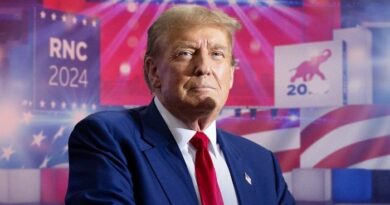
The accelerated conclusion of the India-EU negotiations appears strategically timed as President Trump has signaled his intention to reimpose aggressive tariff policies. During his campaign, Trump threatened tariffs of 10-20% on all imports and even higher rates on specific countries.
Indian officials view the EU deal as critical economic insurance, diversifying trade partnerships at a time when US protectionism threatens to disrupt global supply chains. Trade experts suggest this could reduce India’s vulnerability to American tariff policies while opening substantial European market access.
“India is hedging its bets intelligently,” said Dr. Rajesh Mehta, a trade policy analyst. “While the US remains a crucial partner, the EU offers a massive market of 450 million consumers without the unpredictability we’re seeing from Washington.”
Economic Implications
The India-EU FTA is projected to:
- Increase bilateral trade by 30-40% within five years
- Create millions of jobs in both regions
- Boost India’s exports in textiles, pharmaceuticals, agricultural products, and engineering goods
- Enhance European exports of machinery, chemicals, and high-tech products to India
- Attract €100+ billion in European investment into Indian manufacturing and infrastructure
The European Union has been seeking to reduce its economic dependence on China while India aims to position itself as a reliable alternative manufacturing hub under its “Make in India” initiative.
Challenges and Concerns
Despite the optimism, the agreement faces several challenges:
Agricultural Sensitivities: European farmers remain concerned about competition from Indian agricultural products, while Indian dairy and agricultural sectors worry about EU imports.
Data Localization: Disagreements persist over India’s data localization requirements, which European tech companies find restrictive.
Labor and Environmental Standards: The EU has insisted on robust labor rights and environmental commitments, which some Indian industries view as potential barriers.
Implementation Timeline: Converting the framework into a ratified, implementable agreement could take 12-18 months, requiring approval from the European Parliament and Indian Parliament.
Global Trade Realignment
The India-EU deal reflects a broader realignment in global trade architecture. As the Trump administration signals a retreat from multilateralism, other nations are forging alternative partnerships.
“We’re witnessing the fragmentation of the global trading system,” noted Prof. Anita Sharma, international trade specialist. “The India-EU agreement is part of a trend where countries are creating insurance policies against American unpredictability.”
The agreement also strengthens India’s position in the Indo-Pacific region, complementing existing partnerships with Japan, Australia, and ASEAN nations while providing a Western democratic alternative to China’s Belt and Road Initiative.
Next Steps
Negotiators from both sides are expected to finalize technical details over the coming weeks, with a formal signing ceremony anticipated within the next quarter. The agreement will then require ratification by the European Parliament and approval by the Indian Cabinet and Parliament.
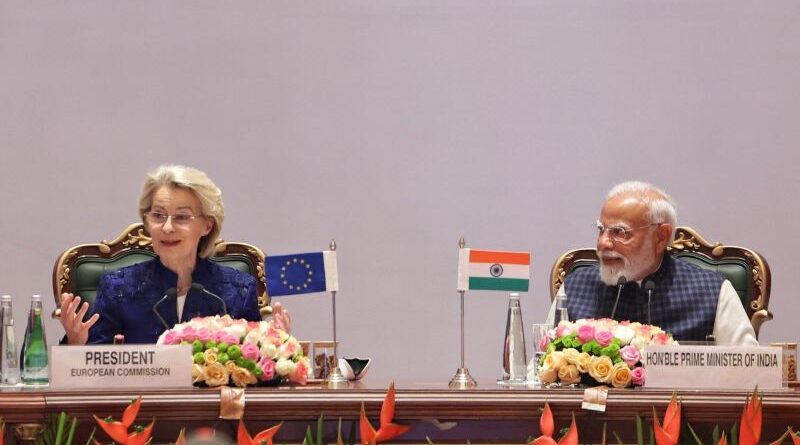
Both Prime Minister Modi and European Commission President Ursula von der Leyen have expressed commitment to fast-tracking the process, recognizing the strategic urgency amid shifting global trade winds.
As the world braces for potential trade disruptions from the new Trump administration, the India-EU partnership signals that alternative trade corridors are emerging—potentially reshaping global commerce for decades to come.