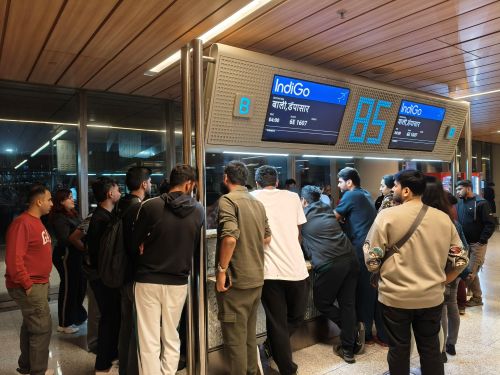
IndiGo Crisis Deepens: ₹610 Crore Refunded, 3,000 Bags Returned as Operations Limp Back
Over 2,000 flights cancelled in six days; airline admits ‘misjudgement and planning gaps’ | Government orders inquiry; DGCA issues show-cause notices to top executives
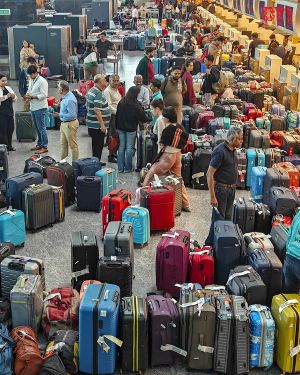
New Delhi/Mumbai, December 8, 2025 — India’s largest airline IndiGo processed refunds totaling ₹610 crore and returned 3,000 pieces of separated baggage to passengers as the country’s worst aviation crisis in recent memory entered its sixth consecutive day on Sunday, with operations still far from normal despite government intervention.
The budget carrier, which typically operates around 2,300 flights daily, cancelled 650 more flights on Sunday after scrapping over 1,000 services on Friday alone — marking one of the darkest chapters in Indian aviation history. Since the crisis erupted on December 2, more than 2,100 flight cancellations have been recorded across the country, stranding tens of thousands of passengers at major airports.
Crisis Roots in Regulatory Failure
At the heart of IndiGo’s current crisis lies a regulatory change that’s been years in the making, with the implementation of revised Flight Duty Time Limitations (FDTL) rules designed to combat pilot fatigue. Despite nearly two years’ advance notice, IndiGo failed to adequately prepare for stricter pilot rest requirements that came into full effect on November 1.
The new regulations mandate 48 hours of weekly rest for pilots (up from 36 hours), cap night landings at two per week (down from six), and impose stricter daily and monthly flying hour limits. While other airlines prepared for compliance by reorganizing schedules and staffing, IndiGo added more flights to its winter schedule without recruiting additional pilots or restructuring crew rosters.
Government Steps In, Orders Accountability
Civil Aviation Minister Ram Mohan Naidu Kinjarapu directly blamed the airline for the chaos, stating that IndiGo’s poor crew planning under the updated flight duty time limitation rules led to major disruptions, while other carriers managed the transition smoothly.
The Directorate General of Civil Aviation (DGCA) issued stern show-cause notices to IndiGo CEO Pieter Elbers and the airline’s Chief Operating Officer, giving them 24 hours to explain why enforcement action should not be taken. The aviation regulator stated that the “primary cause” of the disruptions was IndiGo’s failure to make “adequate arrangements” to meet the revised staffing requirements.
A four-member government committee has been constituted to investigate the crisis and fix accountability, with Parliament’s Transport Committee also planning to summon top IndiGo executives for questioning.
Passengers Bear the Brunt
Major airports witnessed scenes of chaos throughout the week, with passengers breaking down in tears as flight after flight was cancelled. Hyderabad’s Rajiv Gandhi International Airport saw 115 cancellations on Sunday alone, while Delhi recorded 109 cancelled flights and Mumbai 112.
The Civil Aviation Ministry mandated that IndiGo complete all refunds for cancelled flights by Sunday evening and deliver all separated baggage within 48 hours. As of Saturday, 3,000 pieces of baggage had been successfully returned across the country, while the airline processed ₹610 crore in automatic refunds.
To ease the burden on stranded passengers, the government imposed fare caps on other airlines to prevent price gouging, and Indian Railways announced 89 special trains with dedicated booking counters set up at major airports.
IndiGo Promises Recovery by Mid-December
CEO Pieter Elbers, in a video message to employees and customers, acknowledged the “serious operational crisis” and attributed the mass cancellations to “misjudgement and planning gaps”. He announced that the airline operated approximately 1,650 flights on Sunday, up from just 706 on Friday, with on-time performance improving to 75% from a dismal 30% the previous day.
The airline expects full operational stability between December 10-15, though industry experts remain skeptical. IndiGo CEO Pieter Elbers announced that the airline expects to “return to a full, normal operation” between December 10 and 15.
Pilot Unions Cry Foul
The Federation of Indian Pilots sharply criticized IndiGo’s management, pointing to “years of lean manpower planning” and delayed hiring, non-poaching arrangements and other short-sighted planning practices. Pilot associations accused the airline of implementing a hiring freeze, maintaining pay freezes, and scheduling rosters that ignored the new rest requirements.
An anonymous letter circulating among airline staff has alleged a culture of intimidation and mismanagement at IndiGo’s highest levels, though the airline has not commented on these claims.
Regulatory Relief Comes Under Fire
To provide temporary relief, the DGCA granted IndiGo exemptions from certain FDTL provisions until February 10, 2026, including reverting the night landing limit back to six per week. However, the Airline Pilots Association of India protested these exemptions, arguing that the rules “exist solely to safeguard human life” and should not be compromised.
Road Ahead Remains Uncertain
While airport directors across Delhi, Mumbai, Bengaluru, Chennai, Hyderabad, Ahmedabad, and Goa confirmed normal terminal conditions on Sunday, with passenger movement described as smooth, the full extent of the crisis may take weeks to resolve.
IndiGo’s board has constituted a Crisis Management Group including independent directors and CEO Elbers to oversee the recovery process. The airline continues to offer full waivers on cancellation and rescheduling charges for all bookings between December 5-15.
As India’s aviation sector grapples with its most significant operational failure in years, questions are mounting about oversight mechanisms, airline accountability, and whether profit-driven scheduling models are sustainable under stricter safety regulations.
The Civil Aviation Ministry’s 24×7 control room continues monitoring the situation, with all corrective measures to remain in place until operations fully stabilize.