Iran-US Peace Talks Collapse After 21-Hour Marathon Negotiations in Islamabad
Nuclear demands and Strait of Hormuz deadlock derail diplomacy as Vance returns empty-handed — and Trump watches UFC
Pakistan-hosted talks between the United States and Iran have ended without agreement after more than 21 hours of negotiations, raising fears of renewed military escalation in the Middle East.
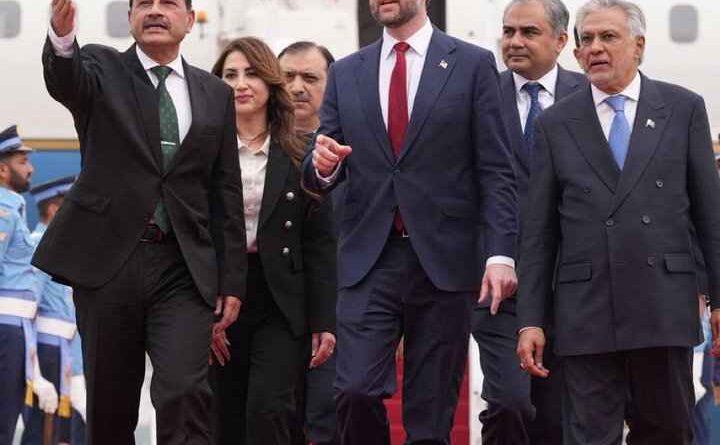
US Vice President JD Vance, who led the American delegation in Islamabad, confirmed the breakdown at a press conference before departing for Washington. “We are leaving without a deal — and that is worse news for Iran than it is for America,” Vance told reporters. He insisted that any future agreement would require Iran to make a binding commitment to never develop nuclear weapons, adding that the US had put its best offer on the table.
Iran, however, pushed back firmly. Iranian officials said Washington’s conditions were excessively harsh and left no room for a workable compromise. Former Iranian Vice President Ataullah Mohajerani went further, arguing the failure was America’s loss, not Iran’s — pointing out that the US had itself requested the talks, chosen the mediator, and accepted Iran’s conditions for the meeting, only to demand at the table what it had failed to achieve on the battlefield.
The sticking points were reported to be Iran’s nuclear programme and the status of the Strait of Hormuz, a critical global shipping lane. The US military’s CENTCOM separately announced that American warships are preparing to clear naval mines allegedly laid by Iran in the strait.
The talks took place against a bloody backdrop. Iran’s Emergency Department chief stated that over 2,100 children have been injured in US and Israeli strikes, including 124 under the age of five. Around 5,000 women have also been wounded, with most attacks concentrated in Tehran, Khuzestan, and Isfahan provinces. In a pointed gesture, Iranian parliamentary speaker Mohammad Bagher Ghalibaf arrived in Islamabad carrying photographs of children killed in a missile strike on 28 February — an attack blamed on the US-Israel alliance.
Israeli Prime Minister Benjamin Netanyahu, meanwhile, declared that military operations against Iran are not yet over, claiming the strikes had severely damaged Iran’s nuclear capabilities.
On the economic front, Saudi Arabia confirmed its East-West oil pipeline — knocked offline by Iranian strikes — has resumed operations, though it had disrupted capacity of around 700,000 barrels per day.
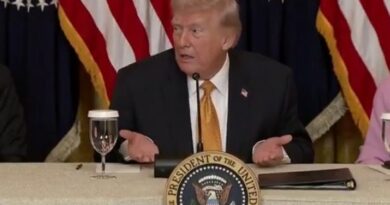
With diplomacy stalled, attention has now shifted to President Donald Trump, who was notably absent from the Islamabad proceedings — he was photographed attending UFC 327 in Washington at the very moment Vance was announcing the talks’ collapse. Trump has since shared an article on his social media platform suggesting a naval blockade of Iran as a potential next step, a strategy he previously deployed against Venezuela.
Whether Trump opts for further military pressure, renewed diplomacy, or economic siege, the world is watching — and waiting.