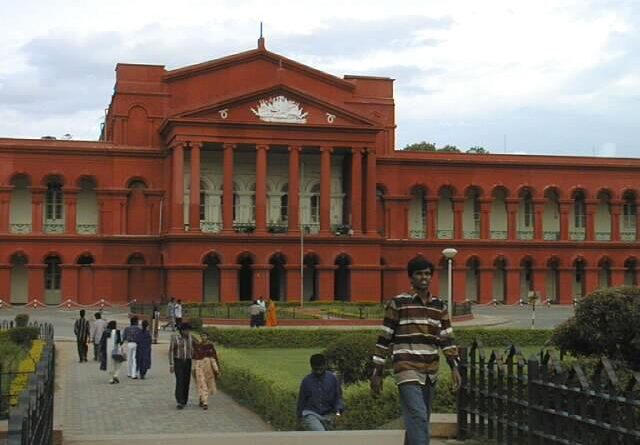
Karnataka High Court Reverses Stay on Menstrual Leave Order, to Hear State Government Tomorrow
Court recalls interim order after Advocate General cites Supreme Court precedent; matter listed for hearing on December 10
BENGALURU, December 9, 2025 — In a dramatic turn of events, the Karnataka High Court reversed its earlier decision to stay the state government’s menstrual leave policy on Tuesday, agreeing to hear the matter afresh on Wednesday after intervention by the state’s Advocate General.
Justice Jyoti M recalled the interim stay order passed earlier in the day following an urgent mention by Advocate General Shashi Kiran Shetty, who informed the court that the relief granted to petitioners contradicted an existing Supreme Court judgment. The court has now scheduled the matter for a detailed hearing on December 10.
The state government’s November 20 notification had mandated all registered industrial establishments to provide one day of paid menstrual leave per month to women employees aged 18 to 52 years, covering permanent, contractual, and outsourced workers across various sectors.
The policy applies to establishments registered under the Factories Act 1948, the Karnataka Shops and Commercial Establishments Act 1961, the Plantation Labour Act 1951, the Beedi and Cigar Workers Act 1966, and the Motor Transport Workers Act 1961.
Challenge from Industry Bodies
The Bangalore Hotels Association, representing approximately 1,540 establishments including hotels, restaurants, bakeries, and ice cream parlours, along with Avirata AFL Connectivity Systems Limited, had filed petitions challenging the government order on grounds of legal authority and procedural lapses.
The petitioners argued that the state government lacked the power to introduce such leave provisions through an executive notification without legislative backing. They contended that existing labour laws already provide comprehensive leave structures, and adding menstrual leave would impose additional financial burdens on employers.
During the initial hearing, when Justice Jyoti M inquired whether the government had consulted stakeholders before issuing the notification, the petitioners’ counsel confirmed that no such consultation had taken place. This procedural gap appeared to weigh on the court’s decision to initially grant the stay.
The petition had emphasized that the notification did not specify under which statutory provision the government derived its authority to mandate such leave, calling the executive order ultra vires and unconstitutional under Article 14 of the Constitution.
Policy Details and Broader Context
Karnataka’s menstrual leave policy, approved by the state cabinet on October 9, extends to both government and private sector employees. The state government formally implemented the policy for its own employees on December 2.
The policy represents Karnataka’s attempt to join a small group of Indian states offering menstrual leave benefits. Bihar, Kerala, and Odisha currently have varying provisions covering public and private sectors, though there is no uniform national policy on the matter.
In July 2024, the Supreme Court had directed the Union government to develop a model menstrual leave policy for women workers after consulting states and relevant stakeholders, recognizing the need for standardized guidelines across the country.
Industry Concerns
The hotel association and other petitioners have raised concerns about the practical implications of implementing the policy. They argue that the existing statutory framework already mandates sufficient leave provisions, with many establishments limited to 12 days of annual leave under various labour laws.
The petition highlighted that granting additional menstrual leave could create staffing challenges and financial pressures, particularly for smaller establishments. The petitioners maintained that such decisions should be left to individual employers as part of their human resources policies rather than being imposed through government mandate.
However, supporters of the policy view it as a progressive step toward recognizing women’s health needs in the workplace and reducing stigma around menstruation. The debate reflects broader discussions about workplace rights, gender equity, and the balance between employee welfare and business interests.
The matter will now come up for detailed hearing on Wednesday, with the state government expected to present its legal justification for the notification and respond to the constitutional challenges raised by the petitioners. The outcome could have significant implications for labour policy and women’s workplace rights across Karnataka and potentially influence similar initiatives in other states.