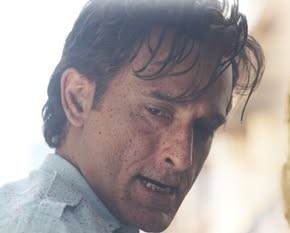
Sindh Government Announces ‘Mera Lyari’ to Counter ‘Negative Propaganda’ in Ranveer Singh’s ‘Dhurandhar’
Pakistani provincial authorities slam Bollywood blockbuster for portraying Karachi’s Lyari as a hub of violence, unveil new film to highlight area’s cultural resilience and peace.
Karachi, December 15, 2025 – In a direct response to the Bollywood espionage thriller Dhurandhar, starring Ranveer Singh, the Sindh provincial government has announced the upcoming release of a new film titled Mera Lyari, aimed at presenting a positive portrayal of Karachi’s historic Lyari neighbourhood.
Sindh Senior Minister for Information Sharjeel Inam Memon took to social media platform X on December 13 to share posters of Mera Lyari and criticise Dhurandhar as “yet another example of negative propaganda by the Indian film industry against Pakistan, especially targeting Lyari.”
Memon emphasised that “Lyari is not violence—it is culture, peace, talent, and resilience.” He added that Mera Lyari, scheduled for release next month (January 2026), will showcase “the true face of Lyari: peace, prosperity, and pride.”
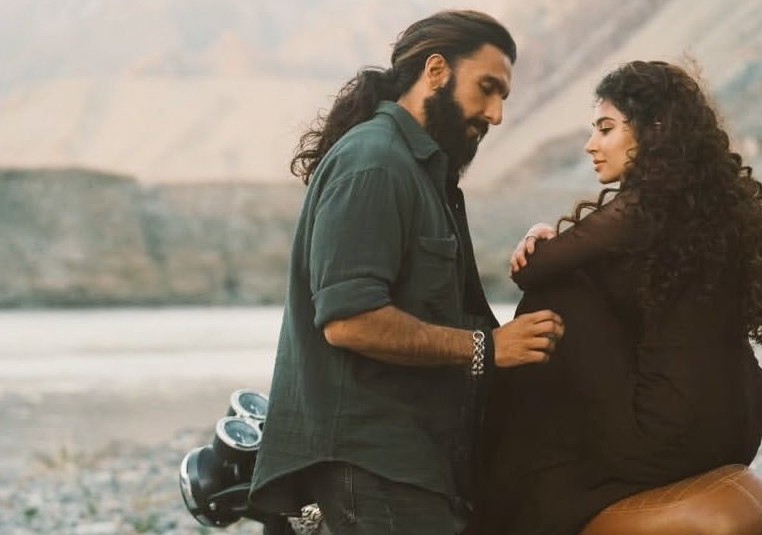
The Pakistani film features actors Nadeem Baig, Samina Ahmed, and Dananeer Mobeen, produced by Ayesha Omar and directed by Abu Aleeha. It is described as a Sindhi-language project focusing on the area’s vibrant sports culture, community spirit, and cultural richness.
Dhurandhar, directed by Aditya Dhar and released earlier this month, has been a commercial success in India but sparked controversy in Pakistan for its depiction of Lyari as a gang-ridden “war zone” infiltrated by an Indian RAW agent played by Ranveer Singh. The film draws loosely from real-life Lyari gang wars but incorporates fictional elements tying them to cross-border terrorism.
The announcement comes amid ongoing backlash, including a legal petition in a Karachi court alleging defamatory portrayal of the Pakistan Peoples Party (PPP) and misuse of imagery related to late leader Benazir Bhutto.
While Dhurandhar continues to draw crowds internationally (barring some Gulf countries), the Sindh government’s move underscores efforts to reclaim narrative control over local stories through cinema.