TDK Corporation Eyes ₹4,000 Crore Battery Plant in Haryana as Japan’s Investment Confidence Grows
Japanese electronics giant, which already operates a 180-acre facility in Sohna, plans to add a Battery Energy Storage System unit — the latest in a string of global bets on Haryana’s industrial rise
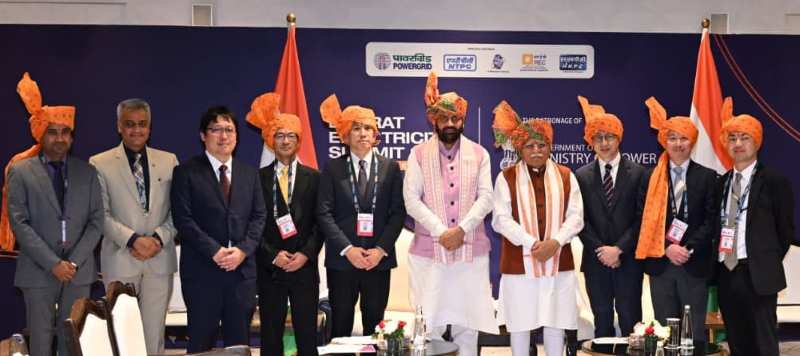
Haryana is set to attract a major Japanese investment after TDK Corporation, one of Japan’s leading electronics and energy component manufacturers, indicated its intent to pour approximately ₹4,000 crore into setting up a new plant in the state. The announcement came during a high-level meeting at the Bharat Electricity Summit 2026 in New Delhi on Friday, where a TDK delegation met Chief Minister Nayab Singh Saini alongside Union Power Minister Manohar Lal.
The proposed facility would house a Battery Energy Storage System (BESS) unit, a technology segment seeing surging global demand as countries race to build reliable infrastructure for renewable energy storage. The investment, if finalised, would mark a significant deepening of TDK’s existing footprint in Haryana — the company already operates an established facility spread across 180 acres in Sohna.
Chief Minister Saini, who has made industrial investment attraction a central plank of his administration, welcomed the development as further evidence that Haryana has become a preferred destination for global manufacturers. The meeting was also attended by Advisor to the Chief Minister Pawan Choudhary, along with senior TDK executives including CEO Fumio Sashida, Hideaki Seki from TDK Energy, Takahiro Suto from TDK Energy Devices and Naoki Katayose from TDK Power Supply.
The timing of the investment signal is notable. Haryana’s recently presented state budget gave special emphasis to the industrial sector, and the government’s revised industrial policy has been rolling out a package of incentives aimed at reducing production costs, easing logistics and simplifying procedural requirements. Officials say these reforms have had a measurable effect on investor sentiment, particularly among small and medium enterprises that have historically found compliance burdensome.
The state government has also been actively working to embed Haryana into the global supply chains of Original Equipment Manufacturers, building out infrastructure, investing in skill development and offering policy backing to position the state as a major manufacturing hub. These efforts are coordinated through Haryana’s Department of Foreign Cooperation — the only such dedicated department operational in any Indian state, which Chief Minister Saini personally oversees.
The TDK interest arrives alongside broader momentum in foreign direct investment into Haryana, with international companies from multiple sectors expressing intent to establish or expand operations in the state. Observers note that Haryana’s geographic advantage — its proximity to the national capital and well-connected road and rail links — combined with policy stability, continues to make it an attractive proposition for manufacturers looking to anchor themselves in India’s growing industrial corridor.
With the BESS sector expected to play a critical role in India’s clean energy transition, a TDK plant in Haryana could also carry strategic significance well beyond its headline investment figure.