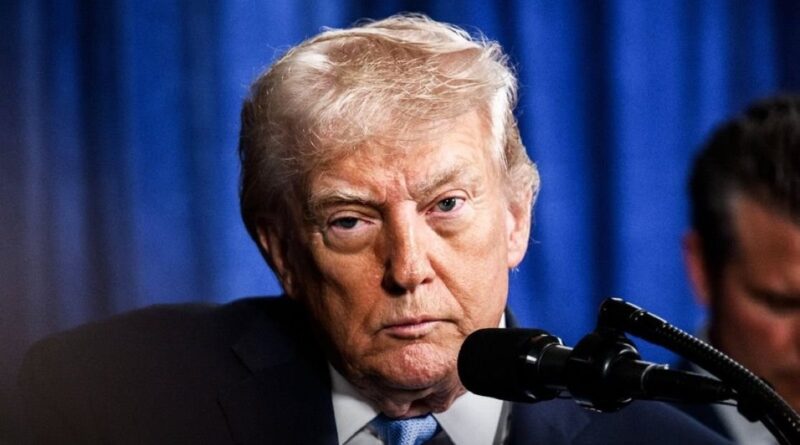
Trump Greenlights Russia Sanctions Bill: India Faces Threat of 500% Tariffs Over Russian Oil Imports
Bipartisan legislation targeting China, India, and Brazil could come up for vote next week; aims to cut funding for Putin’s war machine
NEW DELHI/WASHINGTON, January 8, 2026 – In a significant development that could have far-reaching implications for India’s energy security and trade relations, US President Donald Trump has approved a bipartisan sanctions bill that empowers Washington to impose punitive tariffs of up to 500% on countries continuing to purchase Russian oil and gas.
Republican Senator Lindsey Graham announced on Wednesday that Trump had “greenlit” the Sanctioning Russia Act of 2025 following a “very productive meeting” at the White House. The legislation, co-authored with Democratic Senator Richard Blumenthal, explicitly names India, China, and Brazil as primary targets and could be brought to a vote in the US Congress as early as next week.
What the Bill Proposes
The proposed legislation dramatically expands presidential authority to impose secondary tariffs and sanctions on nations that purchase Russian energy products, including oil, gas, and uranium. According to Graham, the bill would give Trump “tremendous leverage” to pressure countries into stopping purchases of cheap Russian oil that provides financing for President Vladimir Putin’s military operations in Ukraine.
Under Section 17 of the bill, the US would be required to impose tariffs of at least 500% on exports from countries that knowingly purchase Russian-origin energy products, in addition to any existing duties. The legislation currently has 85 co-sponsors in the US Senate and a companion bill in the House of Representatives.
India in the Crosshairs
India has emerged as one of the largest buyers of Russian crude oil since Western sanctions were imposed on Moscow in 2022, taking advantage of heavily discounted prices. New Delhi has consistently defended its energy imports as driven by national interest and the need to ensure affordable energy for its population.
“India’s imports are meant to ensure predictable and affordable energy costs to the Indian consumer. They are a necessity compelled by global market situation,” the Ministry of External Affairs had stated when previous tariff threats were announced.
The Trump administration has already imposed an additional 25% tariff on Indian exports for purchasing Russian crude in August 2025, taking the overall tariff burden on India to 50%. India currently faces some of the highest US tariffs globally.
Sharp Decline in Russian Oil Imports
Following intensified US pressure, India’s imports of Russian crude have fallen dramatically. According to data from analytics firm Kpler, imports dropped from approximately 1.8 million barrels per day in November 2025 to around 1.0 million barrels per day in December.
Reliance Industries Limited, India’s largest buyer of Russian oil, recently stated it had not received any Russian deliveries for weeks and did not expect any in January 2026, signaling a further decline.
Strategic Timing
Senator Graham emphasized that the timing of the bill was deliberate, coming as Ukraine makes concessions for peace negotiations while Putin “is all talk, continuing to kill the innocent.” The Trump administration is currently engaged in efforts to broker a peace deal to end the nearly four-year-old conflict, with special envoy Steve Witkoff and Trump’s son-in-law Jared Kushner leading negotiations.
“If you want to end this conflict and put pressure on Putin’s customers, this is how you do it,” Graham stated, framing the legislation as part of a broader strategy to financially cripple Russia’s military capabilities.
Diplomatic and Economic Implications
The proposed legislation poses significant diplomatic challenges for India, which has sought to maintain a neutral stance on the Ukraine conflict while managing its strategic relationships with both Washington and Moscow. New Delhi has repeatedly rejected attempts to link its commercial energy decisions with geopolitical considerations.
Observers note that the move tests the diplomatic balance of emerging powers like India, which have attempted to navigate between Western pressure and their own economic interests. The bill also comes as India is already negotiating various trade issues with the Trump administration.
Former US Treasury official Catherine Wolfram, who worked on sanctions under President Joe Biden, called the use of tariffs as a sanctions tool “untested” and expressed concerns that countries might call Washington’s bluff, continuing imports at discounted rates despite the threats.
What Happens Next
The bill requires a determination by the president that Russia is refusing to engage in good-faith negotiations, violating any peace agreement, launching new aggression, or undermining Ukraine’s government. Once such a determination is made, the legislation mandates visa bans, asset freezes, and steep tariffs.
If passed, the law would also ban the export of US-produced energy products to Russia and impose property-blocking sanctions on individuals and entities deemed to be acting on Russia’s behalf.
With strong bipartisan support in the Senate and backing from the White House, the legislation appears likely to advance, though its ultimate impact will depend on implementation and whether targeted countries modify their purchasing behavior in response to the threat.
For India, the bill represents another pressure point in an already complex relationship with Washington, forcing New Delhi to weigh energy security concerns against the risk of severe economic penalties from its largest trading partner.