US Explores Venezuela Oil Supply Route to India as Trump Engages Major Energy Players
President Trump meets global oil executives; Reliance Industries among potential buyers as Washington reconsiders Venezuela energy sanctions
WASHINGTON/NEW DELHI — In a significant geopolitical development, the United States is reportedly exploring arrangements to facilitate Venezuelan oil supplies to India, with Reliance Industries emerging as a potential major buyer, according to sources familiar with high-level discussions.
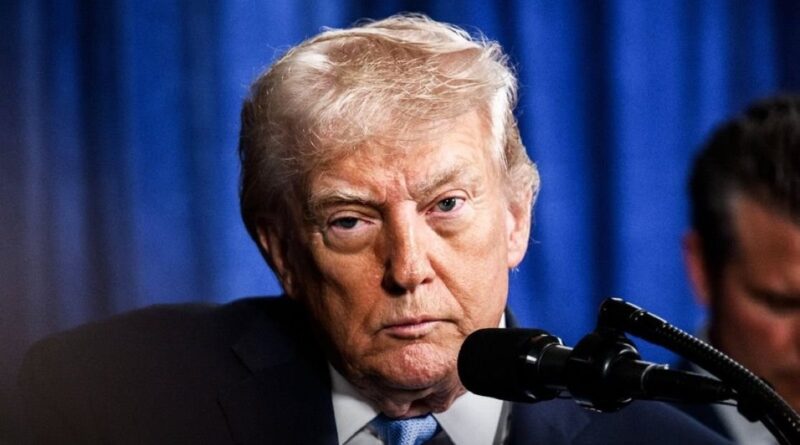
President Donald Trump recently held meetings with executives from the world’s largest oil companies to discuss global energy strategies, during which the Venezuela-India oil corridor was prominently featured on the agenda.
Strategic Energy Realignment
The development marks a potential shift in U.S. policy toward Venezuelan oil, which has been subject to American sanctions for years. The proposed arrangement would see the United States playing a facilitating role in channeling Venezuelan crude to Indian refiners, potentially reshaping energy trade dynamics in the region.
Reliance Industries, India’s largest private sector company and operator of the world’s biggest refining complex in Jamnagar, Gujarat, is being positioned as a key player in this emerging energy partnership. The conglomerate has historically been a major processor of Venezuelan heavy crude, leveraging its advanced refining capabilities.
Trump’s Energy Diplomacy
President Trump’s engagement with global oil industry leaders signals a pragmatic approach to energy security and international relations. The discussions reportedly focused on stabilizing global oil markets, ensuring energy security for allied nations, and exploring commercially viable arrangements that serve American strategic interests.
“Energy independence and security for our allies remains a top priority,” a source close to the discussions stated, though official confirmation from the White House is still awaited.
India’s Energy Calculus
For India, access to Venezuelan oil represents a significant opportunity to diversify its energy sources and secure cost-effective crude supplies. As the world’s third-largest oil consumer, India imports approximately 85% of its crude oil requirements, making energy security a critical national priority.
Venezuelan heavy crude is particularly suited to Indian refineries, many of which are configured to process heavier grades of oil. Reliance Industries’ Jamnagar facility, with its complexity and scale, is especially well-positioned to handle Venezuelan crude efficiently.
Sanctions and Geopolitical Context
The potential deal raises questions about the future of U.S. sanctions on Venezuela’s oil sector. While Washington has maintained pressure on the Maduro government through economic restrictions, the Trump administration appears to be evaluating a more nuanced approach that balances geopolitical objectives with energy market realities.
Experts suggest that any oil trade arrangement would likely require sanctions waivers or restructured sanctions frameworks that allow for specific transactions while maintaining broader pressure mechanisms.
Reliance’s Historical Ties
Reliance Industries has previously been a significant buyer of Venezuelan crude, processing millions of barrels before U.S. sanctions complicated such transactions. The company’s technical expertise in handling heavy sour crude makes it a natural partner in any renewed trade relationship.
Industry analysts note that Reliance has maintained relationships across global oil markets and possesses the financial and operational capacity to manage complex international energy transactions.
Market Implications
The proposed arrangement could have far-reaching implications for global oil markets. Venezuela holds the world’s largest proven oil reserves, and increased production and export could influence global pricing dynamics and supply chains.
For India, diversified energy sources could provide greater negotiating leverage with traditional suppliers and enhance energy security amid volatile global markets.
Official Response Awaited
Neither the U.S. State Department, the Indian Ministry of Petroleum and Natural Gas, nor Reliance Industries have issued official statements confirming the reported discussions. However, sources indicate that technical and commercial assessments are underway to evaluate the feasibility and structure of potential deals.
The Venezuelan government has not commented publicly on the reports, though Caracas has historically sought to maintain oil export relationships despite international sanctions.
What Lies Ahead
As discussions continue, observers will watch closely for signals from Washington, New Delhi, and Caracas regarding the framework of any potential agreement. The involvement of major corporate players like Reliance Industries adds commercial weight to what remains primarily a geopolitical negotiation.
Energy experts suggest that any concrete developments would likely unfold over several months, requiring coordination among multiple stakeholders and careful navigation of existing sanctions regimes.
The outcome could set important precedents for how the United States manages energy diplomacy in an increasingly multipolar world where traditional alliances and economic interests intersect in complex ways.