US IMPOSES HORMUZ BLOCKADE AS OIL PRICES SURGE PAST $100
Trump claims Iran’s navy is “finished” and 158 vessels destroyed, as global crude prices spike sharply and world powers scramble to respond to the sweeping maritime blockade
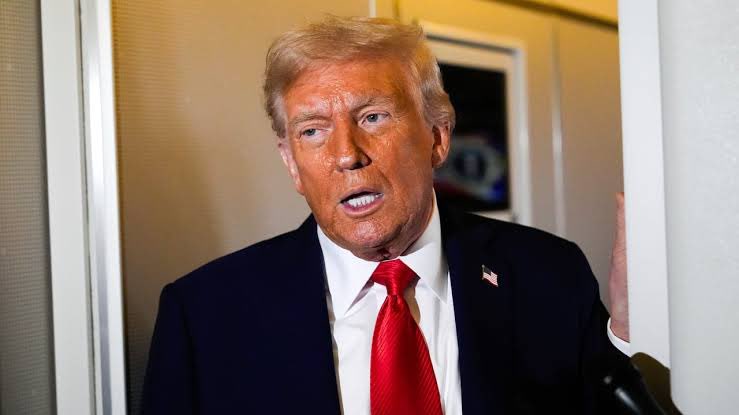
The United States has enforced a full naval blockade at the Strait of Hormuz, effective Monday evening, with US Central Command halting all vessel movement to and from Iranian ports. President Donald Trump stated that the blockade’s primary goal is to cut off Iran’s oil revenues entirely, adding that several coalition partners are participating in the operation. Trump claimed Iran’s military has suffered catastrophic losses, asserting its navy is “essentially finished” and that 158 vessels have been destroyed.
Global energy markets reacted sharply to the announcement. West Texas Intermediate crossed $104 per barrel while Brent Crude topped $102, as traders priced in the risk of a prolonged disruption to one of the world’s most critical shipping lanes. The Strait of Hormuz handles a significant share of global oil exports, and Iran’s largest port, Bandar Abbas, processes around 37 million tonnes of cargo annually.
The White House confirmed that all further options remain on the table, including renewed military strikes against Iran, following the collapse of peace talks held in Pakistan. Iran hit back defiantly, warning that Gulf ports would be “for everyone or for no one,” and threatening that any attack on its ports would leave no port in the region safe. Tehran also demanded that vessels transiting the strait pay tolls in Iranian rials, asserting full sovereign control over the waterway.
On the international stage, reactions were divided. China urged all parties to exercise restraint, with its foreign ministry warning that any disruption to the strait would affect global energy supplies. Trump separately threatened Beijing with tariffs of up to 50% if it provided military assistance to Iran. Britain declined to join the blockade operation outright, though its minesweepers and anti-drone systems remain active in the region. France and the UK announced plans for a joint conference to discuss a purely defensive naval mission to keep shipping lanes open.
On the ground in Iran, the humanitarian situation remains severe. Iranian Red Crescent teams have pulled 960 survivors from rubble in Tehran following US-Israeli strikes, with over 125,000 civilian structures damaged nationwide, including roughly 100,000 homes and 24,000 commercial properties. Seventy-seven historic monuments in the capital were also damaged, among them nationally registered palaces and museums. Rail services between Tehran, Tabriz, and Mashhad have been partially restored after a five-day disruption.
A survey by the Hebrew University of Jerusalem found that 66% of Israelis oppose the current ceasefire with Iran. Opinion is split on next steps — 39% favour resuming strikes, while 41% believe the ceasefire should hold. Meanwhile, Pope Leo XIV, on a visit to Algeria, declined to engage in any public debate with Trump following the US president’s criticism of him on social media, saying his role was to promote peace, not politics.
India dispatched a second consignment of medical supplies to Iran’s Red Crescent Society, with the Iranian ambassador describing the gesture as a significant act of humanitarian solidarity. Germany also announced a two-month fuel tax cut of approximately 17 euro cents per litre to cushion its citizens from the energy price shock rippling out from the crisis.