US Signals Tariff Relief for India as Russian Oil Imports Drop, But Questions Remain
Treasury Secretary Bessent hints at removing 25% penalty tariff after claiming India’s Russian crude purchases have “collapsed”; New Delhi maintains silence on actual reduction figures
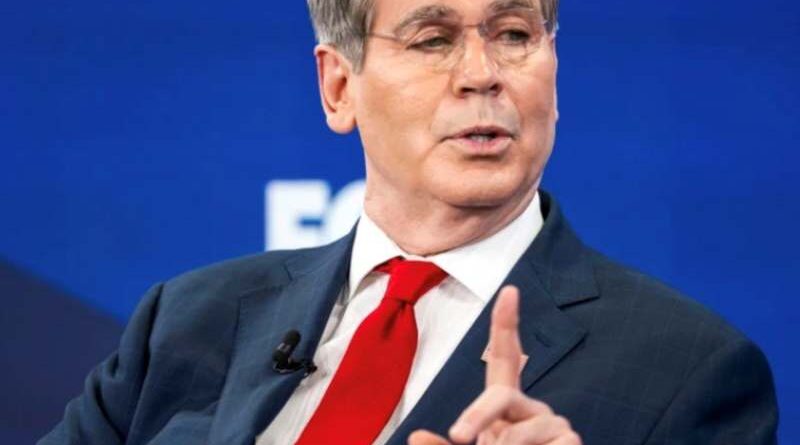
The United States has signalled a potential rollback of punitive tariffs on India, with Treasury Secretary Scott Bessent stating there is “a path to take them off” after claiming Indian purchases of Russian oil have collapsed.
Speaking at the World Economic Forum in Davos, Bessent indicated Washington may consider reducing the steep tariffs imposed on Indian imports amid ongoing trade negotiations between the two nations. The Treasury Secretary claimed the tariff strategy had achieved its objective of curtailing India’s energy trade with Moscow.
In August last year, Trump doubled the duties on Indian imports to 50 percent due to India’s purchase of Russian energy products, combining a 25% reciprocal tariff with an additional 25% penalty specifically targeting Russian oil imports.
President Trump himself has repeatedly praised Prime Minister Narendra Modi while maintaining pressure on India. In November, Trump said that India has “largely stopped” purchasing Russian oil, adding that Modi “is a friend of mine, and we speak, and he wants me to go there”.
However, the actual picture of India’s Russian oil trade presents a more complex reality. While India’s imports of Russian hydrocarbons fell to €2.3 billion from €3.3 billion in November, pushing the country to third place among Russian fossil fuel buyers, energy analysts suggest this may be temporary.
State-owned refiners in India are still buying Russian oil, even as New Delhi seeks relief from US tariffs, with the decline largely driven by reduced buying from Reliance Industries. Industry experts predict imports could recover in January as new intermediary supply chains establish themselves.
India imported about 144 billion euros worth of crude oil from Russia since the start of the Ukraine war, according to the Centre for Research on Energy and Clean Air, making it Russia’s second-largest oil customer after China.
Despite repeated assertions from US leaders, India has consistently refrained from confirming any such shift in policy. When Trump previously claimed Modi had “assured” him about halting Russian oil trade, New Delhi publicly dismissed the statement, saying no such conversation had taken place.
The tariff controversy has become entangled with broader US-India trade negotiations. US Commerce Secretary Howard Lutnick claimed in a podcast that a potential trade deal failed because Prime Minister Modi “didn’t call” Trump. India swiftly rejected this assertion as “not accurate,” with the Ministry of External Affairs confirming multiple rounds of negotiations since February 2025.
Adding to the complexity, Senator Lindsey Graham has introduced legislation proposing a massive 500% tariff on secondary purchases of Russian oil, though Bessent said “we don’t believe that President Trump needs that authority”.
While the US pushes for concessions, India has quietly responded by raising tariffs on American pulses to 30 percent, prompting two US senators to urge Trump to intervene directly with Modi.
Trump has demanded India open its agricultural and dairy sectors for American products, but any major concessions could severely impact Indian farmers. Meanwhile, the European Union has adopted a more flexible negotiating stance, with Commission President Ursula von der Leyen announcing the bloc is on the “cusp of a historic trade agreement” with New Delhi.
As 2026 progresses, India faces a delicate balancing act between maintaining affordable energy supplies for its 1.4 billion citizens and managing its strategic partnership with the United States.