Government Extends LPG Cylinder Booking Wait to 25 Days Amid Middle East Tensions to Curb Hoarding
Domestic refill gap hiked from 21 days; commercial supply restricted in states like Rajasthan & Punjab; ₹60 price rise earlier this week as global energy pressures mount
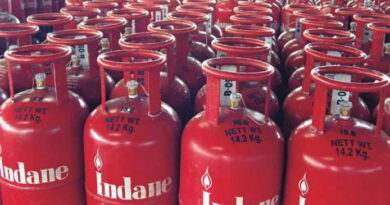
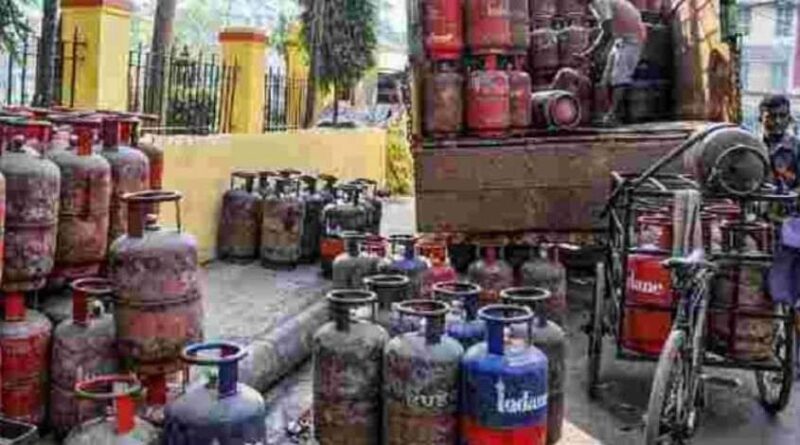
The Indian government has tightened rules for domestic LPG cylinder bookings amid escalating Middle East tensions and fears of supply disruptions, raising the minimum waiting period between refills to 25 days from the recently imposed 21 days. This step aims to curb panic buying, hoarding, and ensure equitable distribution of cooking gas to households.
Oil marketing companies (OMCs) like Indian Oil Corporation (IOC), Bharat Petroleum, and Hindustan Petroleum initially introduced a 21-day lock-in period on Friday following a surge in bookings triggered by geopolitical uncertainties in West Asia. The period has now been extended to 25 days after delivery of the previous cylinder, with online systems reflecting the change and agencies displaying messages that the next booking is only possible after this interval.
The move comes shortly after a ₹60 hike in domestic LPG prices effective March 7, 2026, pushing the cost of a 14.2-kg non-subsidised cylinder to ₹913 in Delhi (up from ₹853). Commercial 19-kg cylinders saw a steeper increase of around ₹115, now priced at approximately ₹1,883 in major cities. This marks the first domestic price revision in nearly a year, following a ₹50 increase in April 2025.
To prioritise household supply, OMCs have restricted or suspended commercial LPG (NDNE) dispatches in states like Rajasthan and Punjab, directing agencies to focus solely on domestic deliveries and halting new orders for commercial cylinders until further notice. The central government invoked emergency powers under the Essential Commodities Act to direct refiners to maximise LPG production from propane and butane streams and supply it exclusively to public sector OMCs for domestic use only.
Government sources have reassured citizens that there is no shortage of petrol, diesel, or other fuels at pumps, with supply chains remaining normal. India has diversified crude oil sourcing beyond the Strait of Hormuz to mitigate risks, and stocks of aviation turbine fuel (ATF) are ample, with the country even exporting it. Petrol and diesel prices are expected to stay stable unless international crude exceeds $130 per barrel (current estimates hover around $100).
Officials emphasised that these measures prevent unnecessary stockpiling and ensure cylinders reach those in genuine need, while the country remains well-prepared with comfortable inventories for short-term disruptions.